There’s no confirmed Windows 12 feature list, because there’s no confirmed Windows 12. What there is, though, is a genuine mix of real Microsoft engineering work, credible industry reporting, and a fair amount of recycled speculation dressed up as insider knowledge. Sorting those into separate buckets is actually more useful than pretending any of it is settled, so that’s exactly what this page does.
Bucket one: already real, already in Windows 11

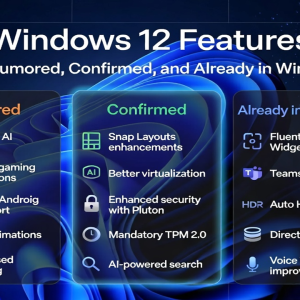
A lot of what gets described online as an upcoming “Windows 12 feature” is, in fact, something Microsoft has already shipped, just under the Windows 11 name.
Copilot integration across the OS. Microsoft has steadily expanded Copilot’s presence in Windows 11, moving it from a sidebar assistant toward deeper integration with search, settings, and file handling. If you’ve read that Windows 12 will make AI “central to the OS,” that shift has already been happening inside Windows 11 for a while now.
Copilot+ PC hardware tier. Microsoft’s Copilot+ PC designation already requires specific NPU (neural processing unit) performance thresholds on qualifying hardware, enabling on-device AI features like real-time translation and enhanced search without sending everything to the cloud. This is the actual hardware precedent people are extrapolating from when they guess at Windows 12’s requirements.
Interface refinements. Updates to File Explorer, taskbar behavior, and Settings have continued rolling out through Windows 11’s regular feature updates, including features tested first in Insider builds before reaching general release.
Terminal and power-user improvements. Windows 11 has picked up features like a built-in sudo command for streamlined privilege elevation in the terminal, the kind of under-the-hood improvement that sometimes gets mislabeled online as evidence of a bigger, unreleased platform shift when it’s really just ongoing Windows 11 development.
If a page tells you these things are exclusive to a future Windows 12, that’s simply inaccurate. They’re already shipping, right now, in the OS you may already be running.
Bucket two: credible speculation, genuinely unconfirmed
These aren’t fabrications, but they’re also not settled facts, and the distinction matters.
CorePC, a modular architecture concept. This idea, sometimes referred to as Core OS or CorePC, would separate Windows into isolated components, letting the system update, repair, or reset parts of itself without touching user data or apps. It’s a legitimate concept with real history, tracing back to Windows Core OS and the shelved Windows 10X project from several years ago, and it has resurfaced in leaks and internal references since. What it isn’t is a confirmed, shipping feature. Despite years of speculation, CorePC has never actually appeared in a public Windows release, and there’s no current evidence it’s part of Microsoft’s near-term roadmap, regardless of how many articles describe it as a defining Windows 12 feature.
A more agentic, system-level Copilot. Some reporting suggests Microsoft’s ambition is to shift Copilot from an assistant you open into a persistent, context-aware layer that can act across the OS on your behalf, handling tasks like file organization or app-level automation with less manual input. This direction is plausible given where Microsoft has already been investing, but the specific scope and timeline remain unconfirmed.
Higher NPU performance requirements. Given the Copilot+ PC precedent, it’s reasonable to expect any future release to push NPU requirements higher rather than lower. Specific numbers you may have seen (commonly around 40 TOPS) are unconfirmed figures that have circulated in rumor posts without authoritative confirmation from Microsoft or major chipmakers.
Bucket three: actively debunked, not just unconfirmed
This is the part most competing pages skip entirely, and it’s worth spelling out because it directly contradicts a lot of what’s currently ranking for this term.
“Hudson Valley Next” as an upcoming 2026 Windows 12. This specific claim has circulated widely, but it’s built on a factual error. Hudson Valley was the internal codename for Windows 11 version 24H2, which already shipped some time ago. It is not a codename for an unreleased future product. Reporting that treats “Hudson Valley Next” as evidence of an imminent Windows 12 launch is repeating a mislabeled internal codename, not uncovering new information.
A subscription-based Windows OS. This claim has been specifically characterized by longtime Microsoft watchers as unfounded, and there’s no credible evidence supporting it. It appears to be an extrapolation that gained traction mostly because of general frustration with Microsoft’s recent product decisions, not because of any actual leak or statement pointing to it.
A confirmed 2026 launch window at all. Multiple reporting strands, along with direct comments from Microsoft, indicate there’s no verifiable plan to ship a new, numbered Windows release in 2026. Microsoft’s own Windows and Surface lead directly addressed this ahead of Build 2026, stating that upcoming announcements would not include a new OS version. Treat any page asserting a 2026 release as settled fact with real skepticism, since it contradicts Microsoft’s own public statements.
Why these three buckets keep getting blended together
A lot of Windows 12 content takes a real concept (CorePC), a real internal codename that got mislabeled (Hudson Valley), and a real hardware precedent (Copilot+ NPU thresholds), and stitches them into a single, confident-sounding narrative implying an imminent, fully-formed product. Each individual thread has some basis in reality, which is exactly what makes the combined story feel credible even when the overall conclusion isn’t supported by anything Microsoft has actually confirmed.
This is also why cross-checking specific claims against reporting from established outlets matters more than trusting any single source, including this one. Windows Central’s own fact-check work has directly pushed back on the more sensational versions of this story, concluding that the viral claim of a 2026 AI-first Windows 12 launch isn’t supported by Microsoft’s roadmap or by reliable insider sources.
What about the visual design rumors?
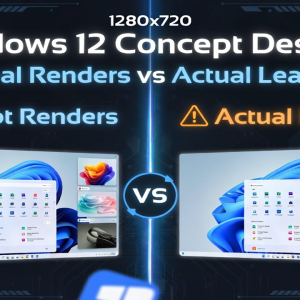
You’ll also see plenty of “leaked Windows 12 interface” content, most of it originating from independent concept designers rather than actual Microsoft materials. These are creative projects, sometimes genuinely well made, but they’re speculative art, not leaks. We break down how to tell the difference, along with specific examples, in Windows 12 Concept Designs: Real Renders vs Actual Leaks.
What this means if you’re deciding whether to wait for Windows 12’s features
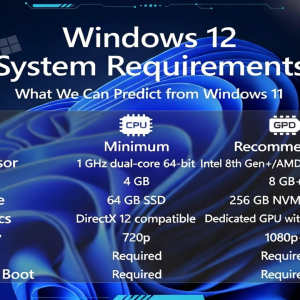
If part of your reason for holding off on upgrading or buying new hardware is specifically the AI features you’ve read about, it’s worth knowing that a meaningful share of them are already available in current Windows 11 hardware through the Copilot+ PC tier, not locked behind an unreleased future product. For a closer look specifically at the AI and NPU side of things, see Windows 12 AI Features: What Copilot+ Already Tells Us. And if you’re trying to plan hardware purchases around future requirements, our breakdown in Windows 12 System Requirements: What We Can Predict from Windows 11 walks through what’s reasonable to expect versus what’s pure guesswork.
For the full, continuously updated picture of whether any of this is getting closer to an actual release, our Windows 12 release date and status tracker is the place to check, and if you’re unsure whether a specific claim you’ve read elsewhere holds up, our broader fact-check on Windows 12 rumors walks through how to evaluate them yourself.
A few clarifications
Is CorePC a confirmed Windows 12 feature? No. It’s a real architectural concept with a long history, but it has never shipped publicly and there’s no confirmed evidence it’s part of Microsoft’s near-term plans.
Will Windows 12 require a specific NPU performance level? Unconfirmed. Numbers like 40 TOPS have circulated in rumor coverage but lack authoritative confirmation from Microsoft or chip manufacturers.
Is “Hudson Valley Next” a real Windows 12 codename? No. Hudson Valley was Microsoft’s internal codename for Windows 11 version 24H2, which has already been released. Coverage using it to describe an unreleased Windows 12 is working from a factual error.
Are any of the rumored AI features already usable today? Yes, several. Copilot+ PC hardware, on-device AI processing, and expanded Copilot integration are already shipping in current Windows 11 devices.
Is Windows 12 going to be subscription-based? There’s no credible evidence supporting this claim. It’s been specifically identified by longtime Microsoft watchers as unfounded speculation rather than anything sourced from an actual leak.